
Benvenuto su QBA
Per accedere al nostro sito è necessario aver compiuto 18 anni.
Conferma la tua età per proseguire.
Accedendo a questo sito accetti i Termini di Utilizzo e l'Informativa sulla Privacy.
Per accedere al nostro sito è necessario aver compiuto 18 anni.
Conferma la tua età per proseguire.
Accedendo a questo sito accetti i Termini di Utilizzo e l'Informativa sulla Privacy.
Rich in tradition, these beers have a history spanning centuries. They differ in their use of processes now firmly established in German and Belgian monastic tradition and offer us beers with interesting flavors known throughout the world.
Beer has ancient traditions that reached their peak in Germany and Belgium.
But what made them so appreciated?
During the medieval period, beer was more drinkable than water precisely because it was boiled.
Moreover, it was a low-alcohol product and for this reason considered suitable even for children as a kind of “liquid bread.”
It was thus that within German monasteries a particular attention to brewing production processes developed, giving great prominence to hops, capable of imparting different aromas depending on the type used.
A tradition, that of hops, which has been passed down to this day and ensures the production of quality beer.
However, there are differences between abbey, monastic, and trappist beers that are worth knowing and exploring.
Trappist beers, to be defined as such, must be produced exclusively within monasteries governed by Trappist or Cistercian monks or under their control.
They still use the ancient monastic recipes that have been passed down over the centuries, following all the dictates of fermentation using exclusively the ingredients present in the monastic writings.
These beers are the best known in the brewing landscape and are currently produced by about a dozen monasteries scattered around the world.
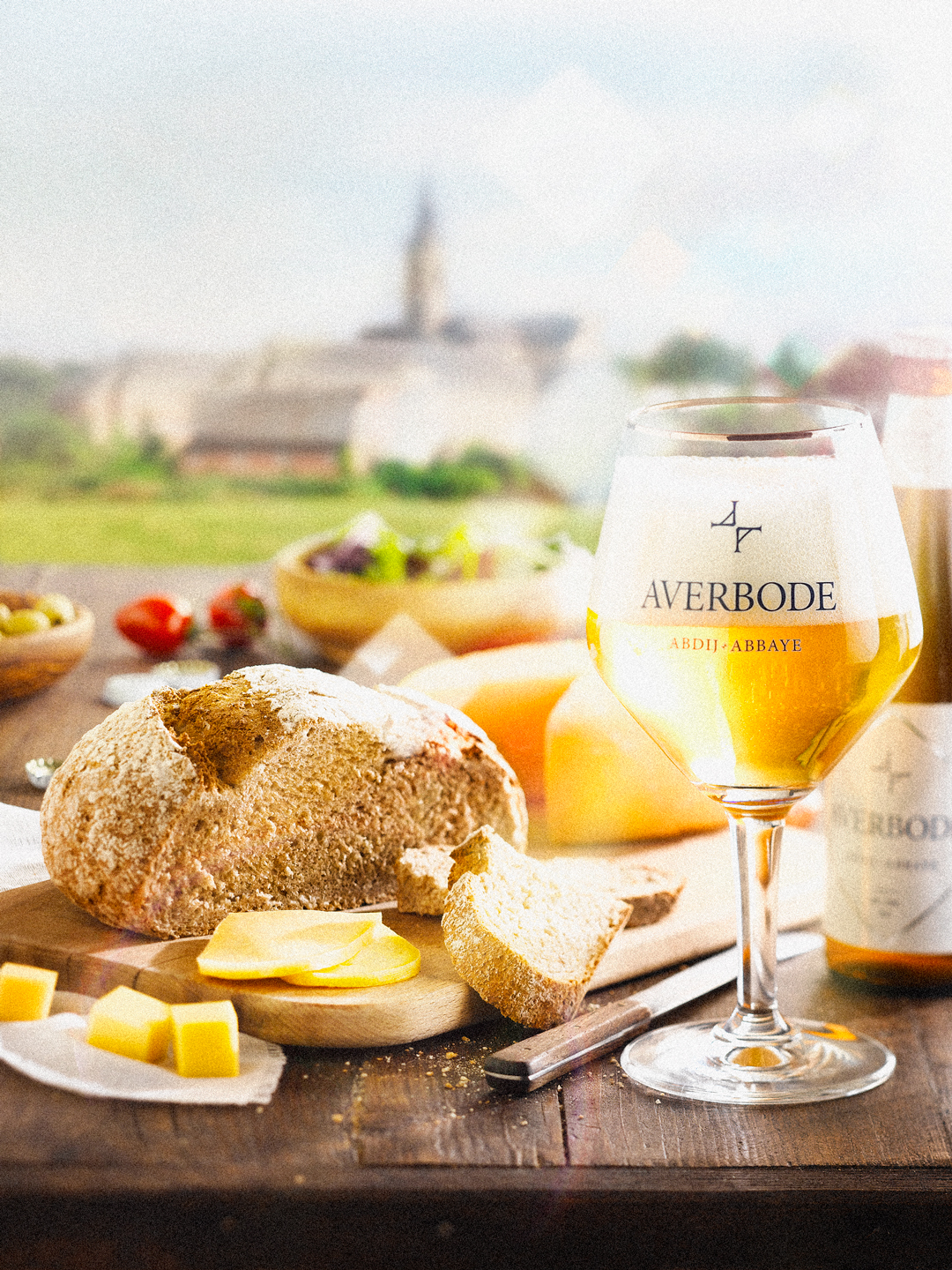
Abbey beers, unlike trappist beers, can also be produced outside the Abbey, in specific licensed breweries. The proceeds from the beer in this case must be donated to charity or for the benefit of the reference Abbey.
Averbode and St. Idesbald are two examples of Belgian abbey beers.
Averbode Abbey was founded by the Norbertine monks around 1134, who since then have carried on a brewing tradition linked to bread and cheese.
In 2014, a collaboration with the Huyghe brewery began, leading to the creation of a new beer, while in 2016 Averbode Abbey was joined by another brewery to produce beer only for the monks and guests of the monastery.
The eponymous Averbode beer has a yellow color and floral aromas, green apple, and hints of hops.
St. Idesbald takes its name from the first abbot of the Cistercian monastery of the Abbey of the Dunes, founded in 1138.
After an initial phase of prosperity around the 13th century, its decline began until complete demolition in 1796.
Between the 19th and 20th centuries, the local population committed to restoring the abbey’s ancient charm, bringing its remains to light.
After 150 years, in the 1960s beer production resumed under the name St. Idesbald, but in 1994 a new crisis brought the brewery to its knees to the point of passing production into the hands of the De Laet family.
Currently, all proceeds from beer sales are destined for a nonprofit organization that handles the administration and protection of the abbey, as well as the museum and excavation site.

Monastic beers, finally, are beers of “monastic inspiration.” This means they are required to respect brewing traditions and recipes, as well as the history of ancient monasteries, but are not obligated to have an abbey supporting them.
Among the names of recognized monastic breweries we find Kloster Scheyern, under the direct control of monks who regulate beer production according to traditional recipes and give us beers such as Kloster Scheyern Gold Hell, a beer with a robust alcohol content and golden appearance, characterized by aromas of malts, fresh yeast, and bread crust, with hints of fruit and acacia honey.
Norbertus also rightfully enters the ranking of noteworthy monastic breweries.
Since 750, German abbeys and convents dedicated themselves to the production of Lenten beers enriched with malt and therefore suitable for consumption during fasting as a source of energy.
Toward the end of the 1600s this tradition was revived by the Aulendorf – Oberschwaben brewery: thus began the history of the Norbertus brewery, which takes its name from Norbert of Xanten, founder of the Premonstratensian order and patron of the Aulendorf brewery.
Among all those produced by Norbertus we find Kellerbier, a beer that follows the tradition of unfiltered Lagers, with a golden yellow blonde appearance and characterized by floral, spicy, fruity, and citrus aromas.